

Most patients are surprised when I tell them the most effective thing they can do for their back pain is also the simplest. Not stretching, not a fancy traction device, not even a chiropractic adjustment. Walking.
I’m not saying chiropractic care doesn’t help. It does. But of all the things you can do on your own, between visits and after we’ve resolved a flare-up, a daily walk does more than almost anything else.
Here’s why it works, how to do it right, and what to watch out for.
Why Walking Helps Your Back
Three things happen when you walk that almost nothing else does as well:
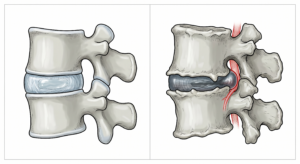
Your discs get nourished. The discs in your spine don’t have their own blood supply. They get nutrients and clear waste through movement, specifically through the gentle compression and decompression that happens when you walk. Sitting still does the opposite: it starves them.
Your low-back muscles work the way they were built to. The muscles that support your lumbar spine (multifidus, transverse abdominis, glutes) are designed for steady, low-grade activation over time. Walking activates all of them gently and rhythmically, which builds endurance without overloading them. Sit-ups and crunches do the opposite. They hammer one muscle group while ignoring the deeper stabilizers.
Your nervous system calms down. Chronic back pain has a nervous system component. The longer pain goes on, the more sensitized your nervous system becomes, and small movements that shouldn’t hurt start to. Walking is rhythmic, predictable, and weight-bearing, and it actively re-trains the nervous system to associate movement with “this is fine” instead of “this is dangerous.”
The Harvard Medical School T.H. Chan School of Public Health summarized a major 2023 study that found people who walked 78 minutes a day were 23% less likely to develop chronic low back pain. The effect held even after controlling for age, BMI, and activity level outside of walking.
How Much Walking and How Often
If you’re starting from zero or coming off a back pain flare-up, don’t try to walk an hour right away. The point isn’t to push through pain.
A reasonable starting target:
- Week 1: 10 minutes, twice a day
- Week 2: 15 to 20 minutes, twice a day
- Week 3 onward: 30 to 45 minutes, once a day (or split if you prefer)
The total of about 30 to 45 minutes a day is where most patients see meaningful improvement within 2 to 4 weeks. Going longer than that doesn’t add much benefit unless you’re training for something specific.
Frequency matters more than duration. Five 20-minute walks across a week beats one 90-minute walk on Sunday. The goal is steady, regular movement, not one big effort.
How to Walk for Back Pain
The mechanics matter more than people think.
Walk at a “purposeful” pace. Not a stroll, not a sprint. Fast enough that you can feel your heart rate is up a little and you couldn’t easily sing a song, but slow enough that you can still hold a conversation.
Keep your stride moderate. Overstriding (long, reaching steps) shifts force into your low back. Aim for a natural step length where your foot lands roughly under your hip.
Relax your shoulders and let your arms swing. Tense, raised shoulders translate down through your spine. Let your arms swing naturally. It actually helps stabilize the spine.
Stand tall but not stiff. Imagine a string pulling you up from the crown of your head. Eyes forward, chin neutral, ribs over hips. Don’t try to “tuck the pelvis” or actively brace anything. That’s a recipe for tension.
Land softly. If you can hear your heels slamming, you’re losing energy and adding shock to your spine. Try landing mid-foot or being lighter on the heel strike.
What to Avoid
A few things make walking worse for your back instead of better.
Treadmill at zero incline for hours. A flat treadmill changes your gait subtly. You push less, you reach more, and you end up loading your low back differently than walking outside. Either set the incline to 1-2% (which mimics outdoor walking) or get outside.
Walking with a heavy bag over one shoulder. Asymmetric load is a classic back pain trigger. If you need to carry something, use a backpack with both straps.
Pushing through sharp pain. Mild discomfort that improves as you warm up is fine and expected. Sharp pain that gets worse with each step is not. Stop, rest, and tell me about it at your next visit.
Walking with a sore lower back hunched forward to “protect” it. Patients with acute back pain often walk bent-over, thinking it helps. It doesn’t. It just shifts load to other structures and creates new compensations. Walk as tall as you can manage.
When Walking Isn’t Enough
Walking is a powerful baseline, but it’s not a cure-all. Some signs you need more than just walking:
- Pain that wakes you up at night
- Pain that radiates down a leg below the knee (likely sciatica, see our guide on chiropractic care for sciatica)
- Pain that gets worse over weeks of walking rather than better
- Pain accompanied by numbness, tingling, or weakness
- Pain from a recent injury or accident
- Loss of bladder or bowel control (this is an emergency, go to the ER)
For everything in that list, walking can still be part of the plan, but it shouldn’t be the whole plan. Come in and we’ll figure out what else is going on.
Combining Walking with Other Treatment
For patients who are actively getting treated for back pain, walking complements pretty much everything else:
- Chiropractic adjustments: walking helps lock in the changes from adjustments. Patients who walk between visits hold their adjustments longer.
- Dry needling: walking after a dry needling session keeps the released muscles active so they don’t tighten back up.
- Stretching: walking warms up the body so stretches are more effective afterward.
- Home exercises: walking is the simplest possible movement, and specific exercises build on top of it.
The combination of consistent walking plus a few weeks of focused treatment is what gets most acute back pain patients back to normal life.
Frequently Asked Questions
Can I walk if I have acute back pain right now?
Usually yes, gently. Total bed rest is one of the worst things you can do for back pain, since it stiffens muscles and slows recovery. Start with 5 to 10 minutes at a slow pace and see how you feel. If pain increases sharply, stop and rest.
Does walking on a treadmill count?
Yes, with the caveat that a flat treadmill is too easy on your gait. Set the incline to 1-2% to mimic outdoor walking, or get outside when weather allows.
What shoes should I wear?
Whatever’s comfortable and supports your foot type. Worn-out shoes are a hidden cause of back pain. If your shoes are more than a year old or 500 miles in, time for new ones. Skip high heels, hard dress shoes, and flat unsupportive sandals.
What if I have knee or hip issues?
Walking is usually still fine, but the pace and surface matter more. Switch to a softer surface (grass, dirt trail, treadmill) and shorten your stride if joints flare up. If a knee or hip is the real source of the problem, we should look at that too. Back pain that’s actually compensation for a leg issue is more common than people realize.
Will walking help if I sit all day for work?
Yes, dramatically. Prolonged sitting is one of the biggest contributors to back pain in office workers. A 10-minute walk every couple of hours is more effective than one long walk after work. Set a timer if you need to.
How long until I see improvement?
Most patients notice a difference in 2 to 4 weeks of consistent walking. Full benefit comes around the 6 to 8 week mark. Stick with it.
Get Started
Walking is free, requires no equipment, and the only side effect is feeling better. If you’ve been told you should rest your back pain away, this is the better path.
If your pain isn’t responding to a few weeks of consistent walking, or if you’re dealing with something more serious than general low back stiffness, come in. We treat back pain regularly at Becker Chiropractic & Acupuncture and can put together a treatment plan that fits.
We see patients from West Omaha, Millard, Elkhorn, and the broader Omaha area.
Book your visit online or call (402) 330-8600.
Related: Disc Health: How to Keep Your Spinal Discs Healthy for Decades — the longer guide on protecting the discs that walking helps keep healthy.
About the Author
Dr. Dane Becker found chiropractic the way a lot of his patients do: through pain. A weightlifting injury in college left him with such intense back and chest pain he thought he was having a heart attack. His trainer sent him to a local chiropractor, the pain backed off almost immediately, and he was hooked.
Since 2008 he’s been practicing in West Omaha, serving patients from Millard, Elkhorn, and the broader Omaha area. He’s trained in sports injuries through postgraduate CCSP education and a specialist in whiplash and auto injury cases. He’s worked with numerous NFL, NBA, and MLB players, plus college and pro female athletes. Becker Chiropractic & Acupuncture is a multi-year Best of Omaha winner. When he’s not at the clinic, he’s with his three kids (Colson and twins Lyla and Liam), and the family is happiest on a beach.