

Patients ask me about food for spine health a lot, and there’s a lot of bad information out there. Most of it falls into two camps: vague “eat anti-inflammatory” lists with no specifics, or supplement-stack pitches that aren’t really food at all.
What follows is the short list of foods I actually point patients toward, with the mechanism for each so it doesn’t feel like generic nutrition advice. The spine, like any tissue, needs a few specific raw materials: protein and amino acids to build connective tissue, omega-3s to control inflammation, key minerals to maintain bone density, and antioxidants to limit oxidative damage in cartilage and discs.
These six foods cover those bases well, and they’re foods you can actually find at the regular grocery store.
1. Fatty Fish (Salmon, Sardines, Mackerel)
If you can only add one food to your diet for spine health, this is it.
Fatty fish are the highest natural source of EPA and DHA, the two omega-3 fats that the body uses to produce anti-inflammatory signaling molecules called resolvins and protectins. Lower inflammation means less pain in irritated joints and discs, and the effect is measurable in chronic low back pain studies.
The realistic target is two servings per week. A serving is about the size of your palm. Salmon, sardines, and mackerel are the highest-omega-3 options. Tuna has less than people think and more mercury than people realize, so it’s not in the top tier.
Vegetarian or don’t eat fish? Flax, chia, and walnuts have ALA, which is a different omega-3 that the body has to convert to EPA and DHA. The conversion is inefficient (around 5 to 10 percent), so plant sources are useful but not equivalent. A high-quality algae-based EPA/DHA supplement is the practical alternative.
2. Leafy Greens (Spinach, Kale, Swiss Chard)
The most underused food for spine health.
Dark leafy greens are loaded with three things the spine specifically needs: calcium for bone, magnesium for muscle and nerve function, and vitamin K for activating proteins that direct calcium into bones (rather than into soft tissue, which is where you don’t want it).
Magnesium especially shows up in patients with chronic muscle tension. Low magnesium is associated with cramping, tension headaches, and the kind of persistent tight upper back I see all day in office workers. Most American adults consume less than the recommended amount.
Two cups of cooked greens (one cup raw equivalent) per day is a reasonable target. Easy ways to hit it: handful of spinach into morning eggs, kale in a soup or stew, a side salad with dinner.
3. Berries (Blueberries, Strawberries, Blackberries)
Berries have the highest antioxidant content per calorie of any common fruit. The antioxidants that matter most for joint and disc health are anthocyanins, which are the same compounds that give berries their dark color.
Why this matters for the spine: cartilage and disc tissue have very limited blood supply, which means they’re slower to repair after injury and more vulnerable to oxidative damage over time. Anthocyanins help limit that damage.
Practical: a cup of fresh or frozen berries a few times a week. Frozen are often more nutritious than fresh because they’re picked riper. Don’t get caught up in needing exotic options. Plain frozen blueberries at the grocery store are fine.
4. Bone Broth
This one is having a moment, and the reasons are actually legitimate.
Bone broth provides collagen peptides, glycine, proline, and various trace minerals in a form the body absorbs well. Collagen is the structural protein in tendons, ligaments, cartilage, and the outer ring of spinal discs. There’s good evidence that consuming collagen consistently supports joint and connective tissue maintenance, particularly in patients with chronic joint pain or who are healing from soft tissue injuries.
The catch: store-bought bone broth varies wildly in quality. Most cartons of “bone broth” at the grocery store are basically salty stock. If you’re using it specifically for joint support, either make it yourself (chicken or beef bones, 12 to 24 hours simmer) or look for a brand that lists a high collagen or protein content per serving (8 to 10 grams of protein per cup minimum).
One cup per day is a reasonable amount. Easy ways to use it: as the base for soup, as the cooking liquid for rice or quinoa, or straight up as a warm drink in the morning.
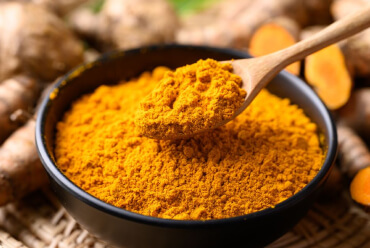
5. Turmeric (Specifically with Black Pepper)
The active compound in turmeric is curcumin, and curcumin has consistent evidence in clinical trials for reducing inflammation and joint pain. In some studies it performed comparably to NSAIDs for arthritis pain without the gut side effects.
The catch most people miss: curcumin is poorly absorbed on its own. Black pepper contains piperine, which increases curcumin absorption dramatically (roughly 2,000 percent in studies). Any turmeric used for actual anti-inflammatory effect should be combined with black pepper.
In food: a teaspoon of turmeric with a few cracks of black pepper in soups, stews, scrambled eggs, or rice. As a supplement, look for a curcumin extract that explicitly contains piperine or BioPerine. Whole-spice turmeric in cooking is good for general health but produces a smaller effect than a concentrated extract for actual pain relief.
6. Nuts and Seeds (Almonds, Walnuts, Chia, Pumpkin Seeds)
A handful a day covers a lot of nutritional bases: – Magnesium (almonds and pumpkin seeds especially) – Omega-3 ALA (walnuts and chia) – Vitamin E (almonds, an antioxidant useful for joint tissue) – Plant protein and fiber (filling, helps with weight management, which reduces load on the spine)
A handful is about a quarter cup. Easy to add to oatmeal, salads, smoothies, or just eaten as a snack instead of crackers or chips.
What This Doesn’t Replace
Food alone won’t fix structural problems. If you have a disc herniation, a chronic facet syndrome, or a posture pattern driving daily neck pain, eating better helps the tissues heal faster but doesn’t replace the actual treatment. Nutrition is supportive, not curative.
What it does do, reliably: – Reduces baseline inflammation, which makes pain less reactive – Provides the raw materials your body needs to repair after injuries and adjustments – Improves how well you recover between treatments – Supports long-term bone density and joint health, which matters more after age 40
Patients who eat well respond better to chiropractic care, hold their adjustments longer, and recover from flare-ups faster. The combination of structural treatment plus a supportive diet is much more powerful than either piece alone.
Get Started
If you’re dealing with chronic pain, recovering from an injury, or just want a baseline assessment of your spine, come in. We treat the structural side and can give you specific nutrition guidance tailored to your situation.
We see patients from West Omaha, Millard, Elkhorn, and the broader Omaha area.
Book your visit online or call (402) 330-8600.
About the Author
Dr. Dane Becker found chiropractic the way a lot of his patients do: through pain. A weightlifting injury in college left him with such intense back and chest pain he thought he was having a heart attack. His trainer sent him to a local chiropractor, the pain backed off almost immediately, and he was hooked.
Since 2008 he’s been practicing in West Omaha, serving patients from Millard, Elkhorn, and the broader Omaha area. He’s trained in sports injuries through postgraduate CCSP education and a specialist in whiplash and auto injury cases. He’s worked with numerous NFL, NBA, and MLB players, plus college and pro female athletes. Becker Chiropractic & Acupuncture is a multi-year Best of Omaha winner. When he’s not at the clinic, he’s with his three kids (Colson and twins Lyla and Liam), and the family is happiest on a beach.